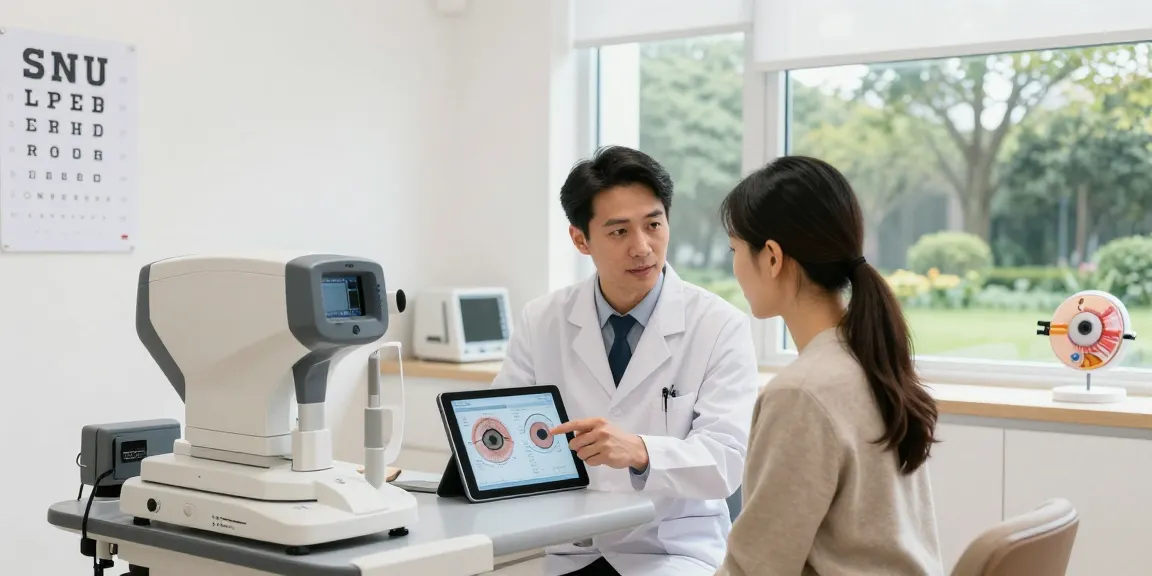

Women’s healthcare and maternity services have undergone significant transformation with advances in modern medical systems, improved diagnostic capabilities, and specialized clinical support. Today, healthcare institutions focus on providing comprehensive care that addresses every stage of a woman’s health journey, including adolescence, pregnancy, childbirth, and postnatal recovery. This integrated approach ensures safety, comfort, and better long-term health outcomes for both mother and child.
The increasing demand for a maternity hospital in Bhubaneswar highlights the growing need for structured, patient-centered maternity care services that combine advanced medical expertise with emotional support and continuous monitoring. These facilities are designed to provide safe pregnancy experiences while ensuring access to specialized obstetric and neonatal care when required.
Advancing Women-Centered Healthcare Systems for Better Outcomes
Modern healthcare systems are increasingly focused on delivering specialized services that prioritize women’s health and maternity needs.
These advancements ensure continuous care, improved safety standards, and better clinical outcomes throughout pregnancy and beyond.
1. Strengthening Comprehensive Prenatal Care Services
Prenatal care plays a vital role in monitoring maternal and fetal health throughout pregnancy. Regular check-ups, diagnostic screenings, and nutritional guidance help ensure a safe pregnancy journey and identify potential risks early, enabling timely medical intervention.
2. Enhancing Skilled Birth and Delivery Support Systems
A maternity hospital in Bhubaneswar provides structured delivery care, with trained medical professionals who ensure safe childbirth. Advanced labor rooms, monitoring systems, and emergency support contribute to reduced complications during delivery.
3. Improving Maternal Health Monitoring and Safety
Continuous monitoring during pregnancy helps track maternal health conditions, such as blood pressure and gestational diabetes, as well as fetal development. This ensures early detection of complications and timely medical response when needed.
4. Supporting Neonatal Care and Infant Health Management
After childbirth, newborn care becomes a critical focus. Specialized neonatal units provide medical support for premature or high-risk infants, ensuring proper development and early health stabilization.
5. Promoting Emotional and Psychological Wellbeing
Pregnancy can bring emotional and psychological changes. Counseling and emotional support services help expectant mothers manage stress, anxiety, and postpartum changes effectively.
Strengthening Pregnancy Care Through Specialized Healthcare Facilities
The role of a pregnancy hospital in Bhubaneswar is essential in ensuring safe and well-managed maternity journeys for women. Within a pregnancy hospital in Bhubaneswar, these hospitals provide structured care systems that focus on both maternal and fetal health throughout pregnancy.
1. Supporting High-Risk Pregnancy Management
Specialized care units help manage complicated pregnancies by providing advanced monitoring, expert consultations, and emergency readiness.
2. Improving Diagnostic Accuracy During Pregnancy
Advanced imaging and diagnostic tools help track fetal growth and detect abnormalities early, ensuring timely intervention when required.
3. Enhancing Delivery Planning and Preparation
Hospitals provide structured birth planning services that help mothers prepare for delivery through medical guidance and personalized care strategies.
4. Strengthening Postnatal Recovery Support Systems
Post-delivery care focuses on maternal recovery, breastfeeding support, and guidance on newborn care to ensure a smooth transition into motherhood.
5. Encouraging Family Participation in Maternity Care
Family involvement in maternity care improves emotional support, strengthens bonding, and enhances the overall care experience for expecting mothers.
Expanding Preventive and Long-Term Women’s Health Services
Preventive healthcare plays a crucial role in maintaining long-term women’s health and reducing medical risks.
Healthcare institutions now focus on early detection, lifestyle management, and continuous care.
1. Encouraging Routine Gynecological Screenings
Regular screenings help identify reproductive health issues early and ensure timely medical treatment.
2. Supporting Hormonal Health Management
Hormonal balance plays a key role in women’s health, requiring continuous monitoring and specialized care.
3. Improving Reproductive Health Awareness
Education programs help women understand reproductive health, fertility, and preventive care measures.
4. Strengthening Long-Term Wellness Programs
Wellness initiatives focus on nutrition, fitness, and mental health to support overall wellbeing.
5. Enhancing Preventive Disease Management
Preventive care helps reduce the risk of chronic conditions and supports long-term health stability.
Advancing Medical Technology in Women’s Healthcare
Advancing medical technology has significantly transformed women’s healthcare by improving the quality, accuracy, and accessibility of maternity and gynecological services. Modern hospitals now use advanced systems to enhance diagnosis, treatment, and continuous patient monitoring throughout pregnancy and beyond. High-resolution imaging technologies help track fetal development and detect complications at an early stage, ensuring timely intervention. Digital health records improve coordination between specialists by maintaining accurate and accessible patient information. Telemedicine services enable remote consultations, allowing patients to receive expert medical advice without visiting a hospital in person. In addition, advanced emergency response systems and precision-based treatment technologies contribute to safer, faster, and more effective healthcare delivery for women at every stage of life.
Promoting Comprehensive Gynecological Care for Women
Gynecological care is a fundamental part of women’s healthcare, supporting reproductive health and overall wellbeing.
Hospitals provide structured consultation and treatment services for women at all stages of life.
1. Supporting Regular Gynec Consultation Services
A gynec consultation helps identify reproductive health concerns early and ensures timely treatment.
2. Enhancing Fertility Evaluation and Support
Specialized fertility services help women understand reproductive health and explore treatment options when needed.
3. Improving Menstrual Health Management
Proper diagnosis and treatment help manage menstrual disorders and related health issues effectively.
4. Strengthening Preventive Reproductive Care
Preventive care ensures early detection of potential gynecological conditions.
5. Encouraging Long-Term Women’s Health Monitoring
Continuous monitoring supports overall reproductive wellness and early intervention when required.
Conclusion
Modern healthcare systems are redefining women’s health by offering integrated maternity, diagnostic, and preventive care services that ensure safety, comfort, and better clinical outcomes. The increasing demand for specialized maternity and pregnancy services highlights the importance of structured medical support throughout every stage of a woman’s health journey. These services focus on early diagnosis, continuous monitoring, and personalized treatment plans that improve both maternal and fetal wellbeing. With advanced medical technologies and experienced specialists, healthcare institutions are now able to manage high-risk pregnancies more effectively while ensuring safer delivery experiences and better recovery support.
Institutions like Ankura Hospitals play a vital role in delivering advanced maternal care, pediatric services, and multispecialty medical support within a single system. Through its commitment to clinical excellence, patient safety, and holistic healthcare, it continues to strengthen the delivery of women’s healthcare and improve outcomes for mothers and children by ensuring coordinated treatment, advanced facilities, and continuous patient-centered care.