
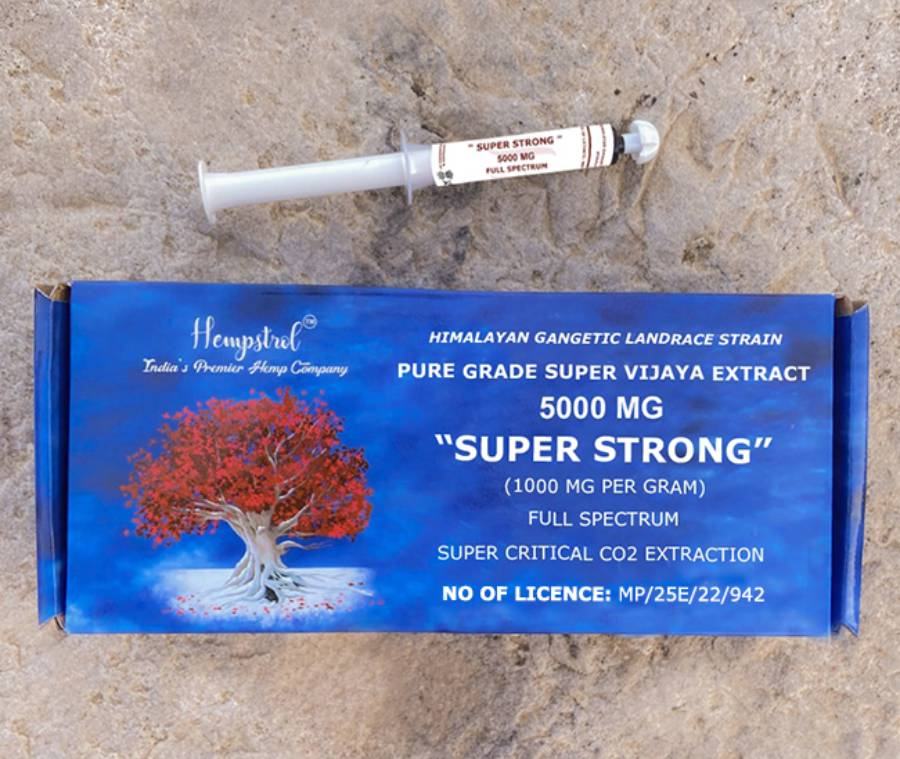
Interest in plant-based wellness solutions is increasing as people look for more informed ways to understand alternative health options, science-backed research, and regulatory developments shaping modern healthcare. In this evolving space, awareness around modern cannabinoid discussions has grown rapidly, and the evolving conversation around THC oil is becoming an important part of that shift, reflecting both curiosity and ongoing conversations around safety, legality, and medical research.
What makes this topic especially relevant today is not just popularity but the shift toward structured usage, clearer compliance standards, and more education-driven awareness. Readers exploring this subject often want to understand what these products are, how they are viewed in medical contexts, and how regulations influence their availability and use. This article breaks down these aspects in a simple, balanced way so readers can gain clarity without confusion or misinformation.
Evolution of Hemp-Based Wellness in India
Over the past few years, hemp-derived ingredients have gradually entered public discussions in India’s wellness and research ecosystem. Traditionally associated with industrial applications, hemp is now being studied more closely for its chemical compounds and potential roles in regulated healthcare environments.
A key reason for this shift is the increasing global interest in cannabinoid research, which has encouraged more structured frameworks for evaluation and controlled usage. In India, this evolution is still in a developing stage, with ongoing legal and medical oversight shaping how such products are classified and accessed. This has also contributed to rising awareness around hemp products in India, as more discussions emerge around how hemp-derived materials fit into regulated systems.
This growing attention has also led to better consumer awareness. People are now more cautious and informed, often looking for verified information, lab testing standards, and professional guidance before forming opinions about hemp-derived formulations.
Role of THC Oil in Medical and Research Contexts
Within cannabinoid discussions, THC oil is often referenced in scientific and medical research contexts due to its active compounds and controlled usage frameworks. It is generally studied under strict regulations, particularly in relation to its interaction with the human endocannabinoid system and its potential applications in supervised environments.
In India, access to such formulations is typically regulated and guided by medical oversight, ensuring that usage aligns with legal and health standards. Rather than being part of general consumer wellness trends, it is usually discussed within a structured clinical or research-based framework.
This distinction is important because it separates casual assumptions from medically guided understanding, helping ensure that public awareness develops responsibly.
Regulatory Awareness and Market Perception
As interest grows, regulatory clarity and public education play a crucial role in shaping perception. India’s approach continues to evolve, balancing traditional knowledge systems with modern scientific evaluation.
Key points influencing this space include:
-
Strict classification and monitoring of cannabinoid-based substances under applicable laws
-
Increasing emphasis on lab testing and quality verification standards
-
Growing need for medical consultation before considering any cannabinoid-related formulation
These factors collectively influence how such products are discussed, researched, and understood by both professionals and the general public.
Future Outlook and Responsible Innovation
The future of hemp-related research and applications in India is expected to be shaped by ongoing studies, policy updates, and technological advancements in extraction and formulation methods. As scientific understanding expands, more structured and standardised approaches may emerge.
In this context, discussions around pure THC oil are often centred on purity standards, controlled processing methods, and research-grade evaluation rather than general consumption narratives. This reflects a broader shift toward evidence-based development and responsible innovation in the sector.
Continued research, regulatory clarity, and public education will likely remain key drivers in how this field develops over time.
Conclusion
The conversation around hemp-derived compounds and cannabinoid research in India is still developing, shaped by science, regulation, and public awareness. Rather than being viewed through simplified narratives, it is increasingly understood as a structured field requiring careful study and oversight.
As interest continues to grow, the focus is expected to remain on safety, compliance, and research-backed insights. For readers, staying informed through credible sources and understanding the regulatory landscape is essential to forming a balanced perspective on this evolving subject.
The wellness industry in India is evolving with more structured awareness around hemp-based solutions. Hempstrol is a company focused on hemp-derived wellness products and guided usage under regulated understanding, reflecting the growing shift toward informed and responsible health discussions.