The Allure of Second-Hand Treasures
In an age dominated by fast fashion and disposable consumerism, the charm of second-hand items continues to resonate with many. These pre-owned treasures not only offer a sustainable shopping alternative but also bring with them an intriguing history that often goes untold. Whether it's a vintage dress that once graced a ballroom or an antique piece of furniture that has seen generations come and go, every item carries a story that appeals to both collectors and casual shoppers alike. As we delve deeper into the world of second-hand treasures, we discover that these items are more than just objects; they are gateways to nostalgia, culture, and connection.
To uncover this captivating world, https://homegraden.net serves as an excellent resource, providing insights into the value and significance of second-hand goods.
What Makes Second-Hand Items Valuable?
The value of second-hand items often lies not in their monetary worth, but rather in their sentimental and historical significance. Many collectors are drawn to the uniqueness of vintage items, which can often tell stories about the time and culture from which they originated. In addition, sustainable shopping practices have made second-hand goods increasingly desirable, as they promote a lower carbon footprint and encourage recycling and reuse.
- Distinctive Designs: Vintage items often feature designs and craftsmanship that are hard to find in contemporary products.
- Sustainability: Purchasing second-hand reduces waste and supports a circular economy.
- Sentimental Value: Many items evoke memories, making them special for their owners, not just collectible.
The Importance of Nostalgia in Collecting
Nostalgia plays a crucial role in the appeal of second-hand items. Many individuals are drawn to items that remind them of their youth or significant life events. For example, a toy from one's childhood or a piece of furniture reminiscent of a grandparent's home can foster an emotional connection, making the item more desirable. This emotional link often transcends the item's material value, creating a compelling reason for individuals to seek out such vintage finds.
Understanding the Market for Vintage Products
The market for vintage and second-hand items has evolved significantly in recent years. Online platforms and marketplaces have made it easier than ever to buy and sell unique pieces. This shift has introduced both challenges and opportunities for collectors and sellers alike.
- Online Marketplaces: Websites dedicated to second-hand goods have proliferated, allowing for a broader reach and easier discovery of unique items.
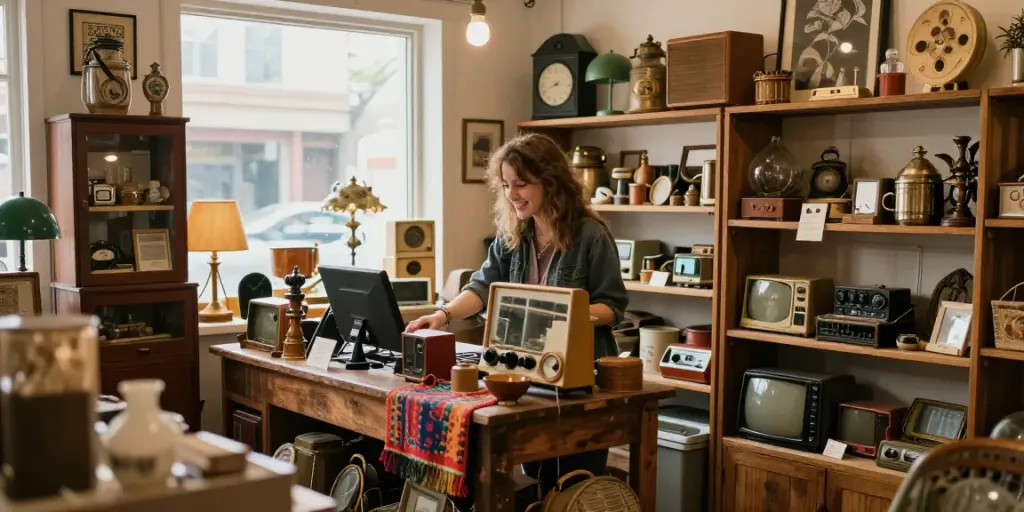
- Antique Shops: Traditional brick-and-mortar shops still hold value, often serving as curated collections of quality vintage goods.
- Flea Markets: These venues provide an opportunity to discover hidden gems, offering a tactile experience that online shopping cannot replicate.
Finding Unique Pieces at https://homegraden.net
With the increasing popularity of second-hand goods, numerous platforms cater to curious shoppers. Here, we explore how to navigate the world of vintage shopping effectively.
What Types of Second-Hand Items Are Available?
The variety of second-hand items is virtually limitless. From clothing to furniture, collectibles to books, there’s something for everyone. Here are some popular categories:
- Clothing and Accessories: Vintage fashion has surged in popularity, with items often showcasing unique styles from different eras.
- Home Decor: Antique furniture and decor pieces often carry craftsmanship that is rarely found in modern items.
- Collectibles: Items like stamps, coins, or toys can be invaluable for those who enjoy curating collections.
How to Spot Quality Vintage Goods
Finding quality second-hand items requires a keen eye and some knowledge of what to look for. Consider these tips:
- Check for Authenticity: Look for brand labels and ensure that the item is not a reproduction unless that’s what you’re after.
- Inspect for Damage: Examine items carefully for any signs of wear and tear that may affect their value.
- Research: Having knowledge about certain brands or types of items can help you make informed purchasing decisions.
Tips for Bargain Hunting in Second-Hand Shops
When searching for second-hand treasures, patience and strategy can lead to remarkable finds. Here are some strategies for effective bargain hunting:
- Visit Frequently: Inventory in second-hand shops can change rapidly, so regular visits increase your chances of finding a gem.
- Negotiate: Don't hesitate to negotiate prices; many sellers expect it.
- Be Open-Minded: Sometimes, items that don’t seem appealing at first glance can surprise you with their potential.
The Emotional Connection to Second-Hand Goods
Beyond their physical attributes, second-hand goods often carry emotional weight and personal significance. This connection adds an invaluable layer to the experience of owning vintage items.
Stories Behind Unique Finds
Each second-hand item has its own story, contributing to its charm and desirability. Some may have belonged to famous figures, while others could remind you of your own past. Understanding the narrative behind an item can heighten its value and emotional connection.
Connecting Generations Through Nostalgic Items
Nostalgic items have the unique ability to bridge generational gaps. Parents and grandparents can share stories related to their vintage items, fostering deeper connections with younger family members. This exchange of history can be invaluable for familial relationships.
Preserving Memories with Vintage Collectibles
Collecting second-hand goods can be a way to preserve memories and create a personal narrative. By curating these items, individuals often build a tangible history that reflects their identity and experiences. Displaying such collections can also serve as a conversation starter, inviting others to engage with your stories.
Best Practices for Curating Your Collection
Once you've started your journey into the world of second-hand goods, the next step is to curate your collection thoughtfully. This ensures that your haul reflects your personal taste and values.
How to Display Your Vintage Treasures
Displaying your vintage collection can be done in various creative ways. Here are some options to consider:
- Shelving Units: Use open shelving to showcase your treasures and make them accessible for admiration.
- Shadow Boxes: For smaller items or collectibles, shadow boxes can create an engaging display.
- Functional Decor: Use vintage items functionally in your home, turning them into conversation pieces.
Maintaining and Caring for Second-Hand Items
Proper care is essential for preserving the integrity of second-hand goods. Here are some tips:
- Regular Cleaning: Dusting and cleaning your items will keep them looking their best.
- Repair When Necessary: If an item is damaged, consider professional repair services to maintain its value.
- Store Correctly: Ensure items are stored in a climate-controlled environment to prevent deterioration.
Building a Personal Narrative with Your Collection
Your collection should tell a story that reflects your personality and experiences. Consider documenting the history of each item and the journey it took to become part of your life. This practice not only enhances your attachment to the pieces but can also add context for future generations.
Future Trends in Second-Hand Shopping for 2026
The world of second-hand shopping is rapidly evolving. As we look toward the future, several trends are shaping the landscape of vintage collecting.
The Rise of Sustainable Consumerism
As awareness of environmental issues grows, more consumers are gravitating towards sustainable practices. Second-hand shopping not only alleviates waste but also promotes sustainable living. This trend is likely to continue expanding as eco-consciousness becomes increasingly ingrained in consumer behavior.
How Technology is Influencing Second-Hand Markets
The digital revolution has transformed how consumers engage with second-hand markets. Increased use of apps and online platforms facilitates easier access to vintage items, broadening both the seller and buyer markets.
Predictions for the Future of Collecting Vintage Items
Experts predict that the future of collecting will further emphasize authenticity and locality. Local artisans and vendors are likely to gain prominence, highlighting unique, locally-sourced items that tell regional stories.
What Benefits Do Collectors Seek?
Collectors are often driven by several key motivations, including:
- Emotional Satisfaction: Owning unique pieces brings joy and nostalgia.
- Investment Potential: Rare items can appreciate in value over time, making them a desirable investment.
- Community Engagement: Collecting can connect individuals with like-minded enthusiasts through events, forums, and social media.
Are Second-Hand Items Still Valuable?
Absolutely. The perceived value of second-hand items continues to rise as more consumers recognize the significance of sustainability and uniqueness. Collectors often seek these treasures for their stories and cultural relevance rather than their price tags.
How to Evaluate the Condition of Vintage Goods?
Assessing the condition of vintage goods is essential for determining their value. Look for:
- Signs of Wear: Check for any damage, repairs, or alterations that might affect value.
- Authenticity Markers: Familiarize yourself with specific brand markers that indicate genuine vintage pieces.
- Market Comparisons: Compare similar items online to gauge what constitutes a fair price.
What Are the Most Desired Types of Second-Hand Items?
Some categories consistently attract collectors, including:
- Mid-Century Modern Furniture: Known for both design and quality, these pieces are highly sought after.
- Vintage Clothing: Brands like Levi's and Chanel continue to fetch high prices.
- Collectible Toys: Many childhood items have matured into valuable collectibles.
Why Do Nostalgia and Memory Play a Role in Shopping?
Nostalgia influences shopping decisions because it invokes emotions and memories associated with past experiences. When consumers connect these feelings with specific items, they are often more willing to invest in these finds.
How to Identify Authentic Vintage Items?
Spotting authentic vintage items can be challenging but critical. Here are steps to verify authenticity:
- Research Brands: Familiarize yourself with hallmark stamps and labels.
- Look for Signs of Age: Genuine vintage items will show age-related characteristics such as patina and wear.
- Seek Expert Opinions: When in doubt, consult with reputable vintage appraisers or experts.