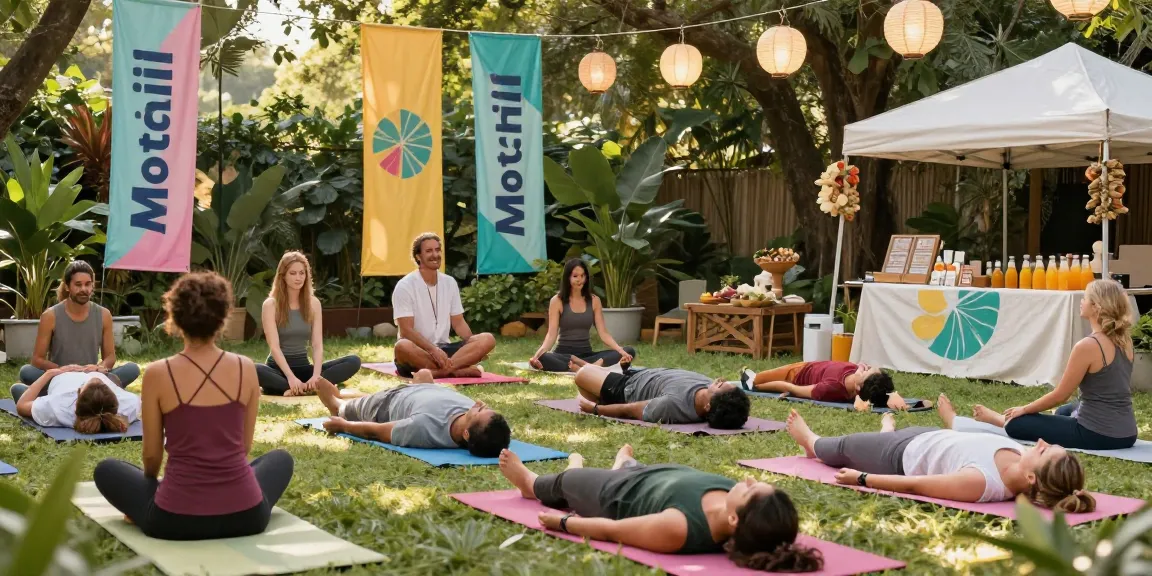
Understanding the Essence of Motchill
In an increasingly fast-paced world, the concept of Motchill serves as a gentle reminder to embrace the power of mindfulness. As we navigate through our daily lives, overwhelmed by constant notifications and the pressure to perform, it becomes essential to pause and reflect on our mental and emotional states. Motchill encapsulates a lifestyle that prioritizes the present moment, encouraging individuals to cultivate awareness and serenity. In this exploration of Motchill, we will delve into its significance, history, and practical implementation in everyday life.
What Does Motchill Represent?
At its core, Motchill embodies a holistic approach to well-being that integrates mindfulness into various aspects of life. This concept encourages individuals to slow down, appreciate the present, and engage deeply with their surroundings and experiences. By embracing Motchill, practitioners seek to alleviate stress, enhance emotional resilience, and foster a greater sense of connection with themselves and others.
The Importance of Mindfulness in Modern Life
In contemporary society, where distractions are abundant, mindfulness has emerged as a crucial practice for mental health. Studies consistently show that mindfulness can reduce anxiety, depression, and stress while increasing focus and overall life satisfaction. By making mindfulness a priority, individuals can navigate their challenges with a clearer mind and a more grounded approach.
A Brief History of Mindfulness Practices
Mindfulness has roots in ancient spiritual traditions, particularly Buddhism, where it was practiced as a means of attaining enlightenment. Over the centuries, mindfulness techniques have evolved and been adapted into various cultures and therapeutic practices. The modern popularization of mindfulness in the West began in the late 20th century, largely credited to figures like Jon Kabat-Zinn, who introduced mindfulness-based stress reduction (MBSR) programs. Today, mindfulness is recognized globally as not just a spiritual practice but a vital tool for mental health and well-being.
Practical Ways to Implement Motchill in Your Daily Life
Embracing Motchill requires a commitment to integrating mindfulness into daily routines. Here are several practical strategies to help you incorporate this philosophy into your life.
Simple Everyday Practices for Mindfulness
- Mindful Breathing: Take a few minutes each day to focus on your breath. Inhale deeply through your nose and exhale slowly through your mouth. This simple practice can anchor you in the present moment.
- Gratitude Journaling: Each evening, jot down three things you are grateful for. This practice shifts your focus towards positivity and enhances your overall outlook on life.
- Walking Meditation: When walking, pay close attention to each step, the sensations in your body, and the environment around you. This practice promotes awareness and helps ground you in the moment.
Creating a Mindful Environment at Home
Your living space can either enhance or detract from your mindfulness practice. To cultivate a mindful environment:
- Declutter: Remove unnecessary items from your space to create an atmosphere of calm.
- Incorporate Nature: Add plants or natural elements to your home to promote tranquility.
- Set Up a Mindfulness Corner: Designate a specific area in your home for mindfulness practices, equipped with comfortable seating, calming decor, and any materials you may need.
Integrating Motchill into Your Work Routine
Bringing mindfulness into the workplace can significantly enhance productivity and employee satisfaction. Consider these approaches:
- Mindful Meetings: Start meetings with a brief moment of silence to help participants center themselves.
- Break Time Mindfulness: Use short breaks to practice deep breathing or a quick meditation session to reset your focus.
- Mindfulness Apps: Utilize mobile applications that promote mindfulness and meditation, providing reminders throughout the day.
Challenges in Embracing the Motchill Lifestyle
While the benefits of mindfulness are vast, several challenges may arise when trying to adopt the Motchill lifestyle.
Common Misconceptions about Mindfulness
Many individuals believe that mindfulness is about emptying the mind or achieving a certain state of perfection. In reality, mindfulness is more about observing thoughts and feelings without judgment, understanding that it’s a natural part of the human experience.
Overcoming Obstacles to Daily Practice
Common barriers to consistent mindfulness practice include time constraints, distractions, and a lack of motivation. Recognizing these obstacles is the first step to overcoming them. Setting small, achievable goals can help integrate mindfulness into your life without feeling overwhelming.
Time Management for Mindfulness
Incorporating mindfulness practices into a busy schedule often requires effective time management. To facilitate this:
- Create a Schedule: Block out specific times during your week dedicated to mindfulness practices.
- Utilize Short Practices: Even a few minutes of mindfulness can be impactful; consider short meditations or breathing exercises throughout your day.
- Prioritize Self-Care: Recognize that your well-being is a priority and make time for it, as it will enhance your productivity and well-being.
Benefits of Living a Motchill-Inspired Life
Living a Motchill-inspired life can bring numerous benefits, encompassing mental, emotional, and social well-being.
Improving Mental Health Through Mindfulness
Regular mindfulness practice has been shown to reduce symptoms of anxiety and depression, improve mood, and enhance emotional regulation. By practicing mindfulness, individuals often experience a heightened sense of awareness and a profound connection to their thoughts and feelings.
Building Stronger Community Connections
Mindfulness encourages not only self-awareness but also empathy and compassion towards others. As individuals become more aware of their own feelings and responses, they often find it easier to understand and connect with those around them, fostering deeper relationships within their community.
Enhancing Quality of Life with Mindfulness
Many individuals report an increase in overall life satisfaction as they incorporate mindfulness into their routine. By focusing on the present moment and cultivating gratitude, life becomes richer and more meaningful.
Future Trends in Mindfulness and the Motchill Movement
As our understanding of mindfulness continues to evolve, we can expect several trends to emerge in the coming years.
Predictions for Mindfulness Practices in 2026
By 2026, we may see a greater emphasis on tailored mindfulness practices that cater to individual needs, facilitated through technology and personalized coaching. Customizable mindfulness programs are anticipated to enhance accessibility and relevance for diverse populations.
The Role of Technology in Mindfulness
Technology is set to play a pivotal role in the future of mindfulness. From virtual reality meditation experiences to AI-driven mindfulness apps, individuals will have access to innovative tools that support their practice and integrate seamlessly into their daily lives.
Emerging Communities and Initiatives
As interest in mindfulness continues to rise, we can expect the formation of new communities and initiatives dedicated to promoting mindfulness at local, national, and global levels. These initiatives may focus on mindfulness in schools, workplaces, and healthcare settings, ensuring that the benefits of mindfulness are widely accessible.
What is Motchill?
Motchill is a holistic approach to mindfulness that encourages individuals to live in the present moment, fostering emotional resilience and a deep connection with their experiences.
How Can I Start Practicing Mindfulness?
You can begin your mindfulness journey by incorporating small practices into your daily routine, such as mindful breathing and gratitude journaling. Consistency over intensity is key.
What Are the Benefits of a Mindful Lifestyle?
A mindful lifestyle promotes improved mental health, emotional well-being, and stronger connections with others, enhancing overall quality of life.
Can Mindfulness Improve My Work Performance?
Yes, practicing mindfulness can significantly enhance focus, creativity, and emotional intelligence, improving work performance and job satisfaction.
Are There Online Resources for Mindfulness?
Yes, numerous online resources, including apps, websites, and online courses, offer guided mindfulness practices and support. Many of these tools are designed to cater to various levels of experience and can provide valuable insights into integrating mindfulness into daily life.