Creating strong, long-lasting interior surfaces requires careful attention to materials, application techniques, and surface preparation. A well-finished wall not only improves the aesthetic appeal of a space but also enhances its structural stability over time. The use of plaster of Paris powder plays an important role in achieving smooth and durable interior surfaces that can withstand everyday wear and maintain visual consistency.
Durable finishes are not achieved by material alone but through a combination of correct application practices and proper planning. When every stage is executed with precision, the final outcome results in interiors that are both visually appealing and structurally reliable.
Importance of Proper Surface Preparation
Proper surface preparation is the first and most important step in achieving durable interior finishes. Without a well-prepared base, even high-quality materials cannot deliver long-term performance. The surface must be clean, stable, and free from dust or loose particles before any application begins.
A properly prepared surface ensures better adhesion and prevents future issues such as cracks, uneven texture, or peeling. It also helps in achieving a smoother final finish that enhances overall interior quality and durability.
Role of Plaster Materials in Interior Finishing
Plaster materials are essential for creating smooth, uniform wall surfaces. They act as a base layer to level uneven areas and prepare the wall for painting or decorative finishes. Their importance lies in improving both appearance and structural stability.
The use of plaster of Paris powder helps achieve a fine, smooth texture that enhances the overall look of interiors. It allows better control during application and ensures that surfaces remain consistent across large areas.
Plaster materials also protect underlying surfaces by forming a strong protective layer. This helps reduce surface damage, improves durability, and increases resistance to minor environmental changes.
Material Properties That Influence Surface Quality
Material selection plays a critical role in determining the final quality of interior surfaces. Each property contributes differently to durability, finish, and application performance.
1. Strength and Stability
Strong materials ensure that interior surfaces remain intact over time without developing cracks or structural weaknesses. This stability is essential for long-term durability and performance in both residential and commercial spaces.
2. Workability and Smooth Application
Good workability allows materials to spread evenly across surfaces, reducing application effort and improving finish consistency. It helps in achieving uniform results even on large wall areas.
3. Adhesion Performance
Strong adhesion ensures that plaster bonds properly with the base surface. This prevents detachment and enhances the long-term reliability of interior finishes.
4. Drying and Setting Behavior
Controlled drying time is essential for achieving durable results. Proper setting ensures that the surface hardens evenly without developing imperfections or uneven patches.
5. Surface Uniformity
Uniform material behavior ensures smooth and consistent finishes. This is essential for achieving professional-grade interior aesthetics and long-lasting visual appeal.
Application Methods for Durable Interior Surfaces
Proper application techniques are essential for achieving strong,smooth interior surfaces. Even high-quality materials require proper handling to deliver the best results.
● Layered Application Technique
Applying materials in controlled layers ensures better bonding and smoother surface formation. It also reduces the risk of cracks and uneven textures over time.
● Surface Leveling Process
Leveling helps eliminate irregularities and ensures a uniform surface. This step is essential for achieving visually balanced and durable interior walls.
● Proper Mixing Methods
Correct mixing ensures uniform consistency of materials. It improves application quality and enhances the final finish of interior surfaces.
● Controlled Drying Conditions
Maintaining suitable drying conditions prevents surface damage and ensures long-lasting durability of the applied finish.
● Finishing Techniques
Final finishing enhances surface smoothness and prepares walls for painting or decorative treatment, improving overall interior appearance.
Enhancing Interior Strength with Modern Materials
Modern construction techniques rely on advanced materials to improve both durability and surface quality. These materials offer better performance compared to traditional alternatives and support long-lasting interior finishes.
The use of gypsum powder significantly improves surface strength and smoothness. It enhances structural stability while providing a refined finish suitable for modern interior designs.
Another application of gypsum powder is in creating lightweight yet strong surface layers. This helps reduce structural load while maintaining durability and aesthetic appeal in interior spaces.
Factors That Affect Surface Durability
Several factors influence the long-term durability of interior surfaces. Understanding these factors helps in achieving better construction results and improved surface performance.
● Environmental Conditions
Humidity and temperature changes can impact surface quality. Proper material selection helps reduce the environmental impact of interior finishes.
● Application Quality
Skilled application ensures smooth and consistent surfaces. Poor workmanship can lead to cracks, uneven textures, or weak bonding.
● Material Compatibility
Using compatible materials ensures better bonding and long-term stability of interior surfaces.
● Structural Movement
Building movement can affect surface stability. Flexible materials help absorb minor structural shifts without damage.
Innovations in Interior Finishing Materials
Advancements in construction materials have significantly improved the quality of interior finishes. Modern solutions focus on durability, efficiency, and smooth application.
The continued use of plaster of Paris powder supports refined finishing results and helps achieve consistent surface quality in modern interiors. It remains an important material for achieving smooth, durable finishes across various construction projects.
Innovations also aim to improve application speed, reduce material waste, and enhance the long-term performance of interior surfaces.
Conclusion
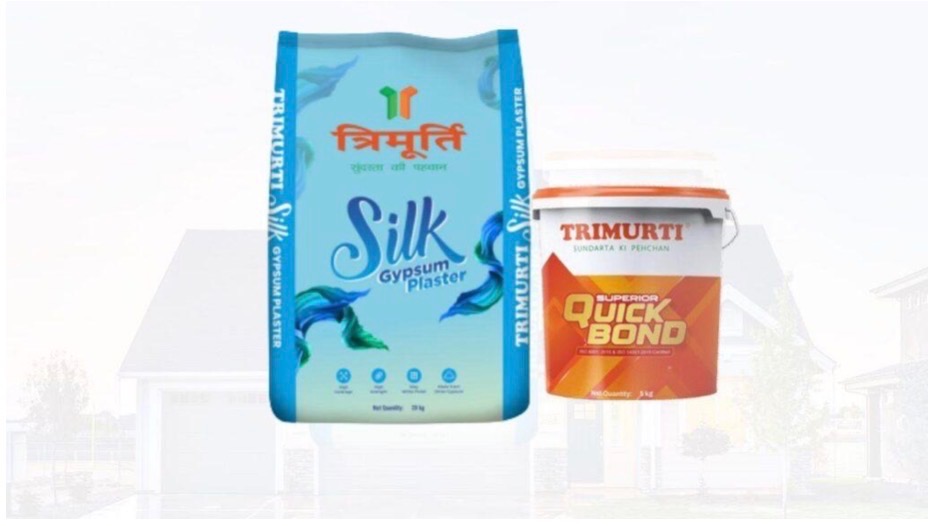
Creating durable interior surfaces requires a combination of proper preparation, quality materials, and skilled application techniques. When each stage is executed correctly, the result is smooth, strong, and long-lasting interior finishes that enhance both appearance and functionality. The use of trimurti gypsum plaster further improves surface durability and ensures refined finishing quality suitable for modern construction needs.
Within the construction industry, companies like Trimurti Products play an important role in delivering reliable materials that support high-quality interior finishing solutions and long-term structural performance.