Understanding Event Rentals: Types and Essentials
Event rentals play a crucial role in executing successful gatherings, varying from intimate weddings to large corporate conferences. They provide the necessary equipment, furniture, and decor to elevate an event, ensuring it resonates with attendees and meets the host's vision. When exploring options, event rentals can offer comprehensive insights into the types and essentials required for any occasion.
What Are Event Rentals?
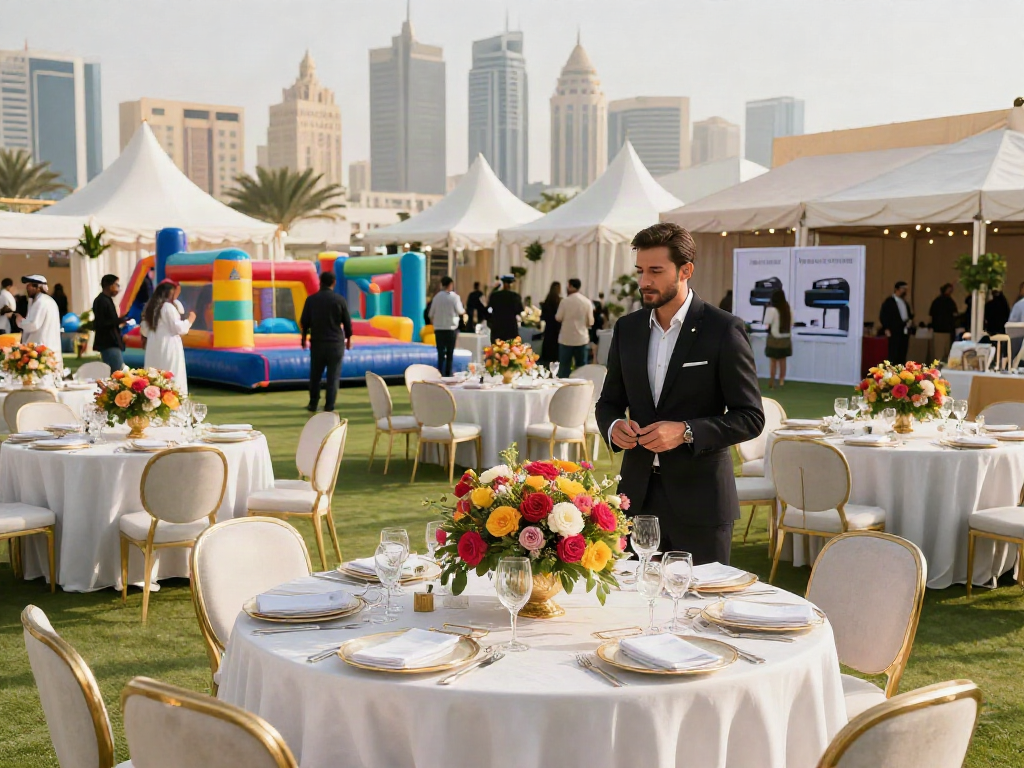
Event rentals refer to temporary provisions of equipment and services needed for hosting events. This can include items like tents, tables, chairs, audiovisual equipment, lighting, and decor. By utilizing these rentals, event planners can save considerable time and eliminate the hassle often associated with purchasing and storing such items. Hence, event rentals are invaluable for both personal celebrations and professional gatherings.
Key Types of Event Rentals for Various Occasions
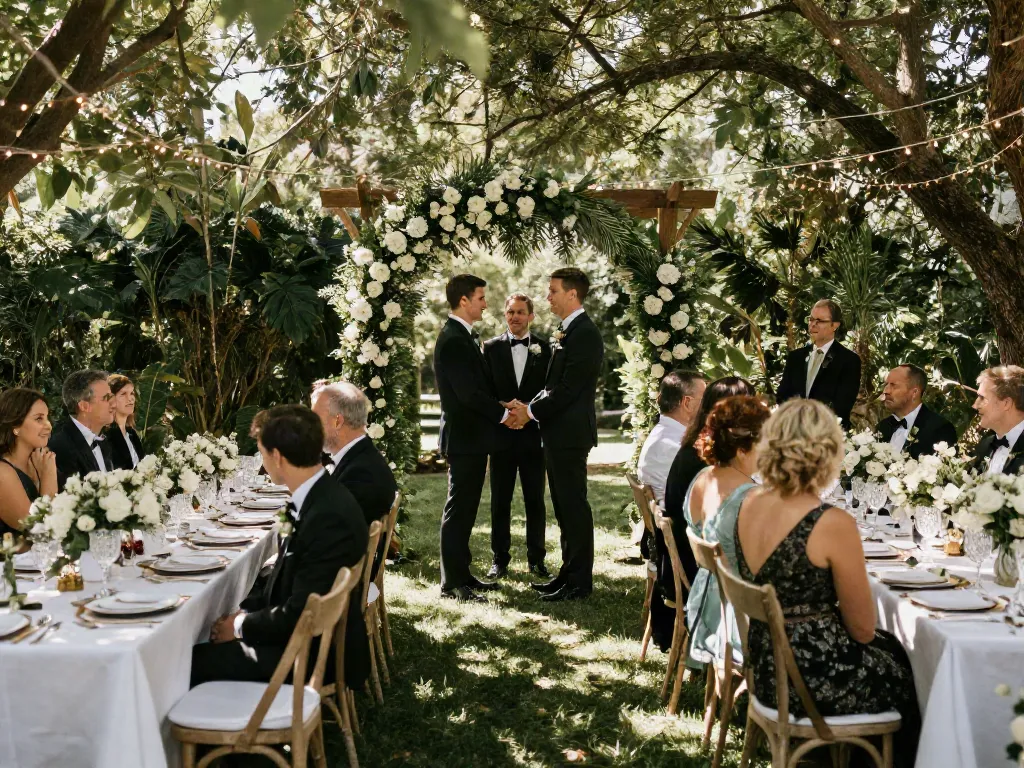
- Weddings: Rentals for weddings often encompass tents, tables, chairs, decorative elements, and catering supplies. Each component is essential for creating the desired ambiance.
- Corporate Events: For conferences and meetings, businesses typically require audiovisual equipment, staging, and seating arrangements tailored to facilitate presentations and discussions.
- Birthday Parties: A variety of items, such as inflatables, themed decorations, and seating, are necessary to create a fun and engaging atmosphere at children's birthday parties.
- Festivals & Fairs: Large-scale events may require multiple rentals including food stalls, tents, stage equipment, and restroom facilities to accommodate vast audiences.
Essential Equipment You Need for Successful Events
Planning an event successfully often relies on having the right equipment at hand. Here are some essentials to consider:
- Tents: These provide shelter and create a designated area for gatherings, especially outdoors.
- Seating Arrangements: Chairs and tables must be arranged to ensure comfort and facilitate interaction among guests.
- Lighting: Proper lighting enhances the mood and visibility, making it a vital component for both functional and aesthetic purposes.
- Audio-Visual Tools: Essential for presentations, speeches, and entertainment, these tools make communication clear and engaging.
Choosing the Right Event Rentals: Factors to Consider
Selecting the appropriate event rentals can significantly impact the success of a gathering. Various factors should be evaluated to make informed decisions.
Assessing Your Event Size and Budget
The first step in selecting rentals is to clearly define your event size and budget. Understanding the number of attendees will guide your choices in seating, catering, and the scale of equipment needed. Additionally, allocating a budget will help prioritize essential items over luxury rentals.
Factors Affecting Rental Choices: Venue and Theme
Your venue's characteristics and the desired theme significantly influence rental choices. For instance, a formal venue may require upscale furnishings, while an outdoor setting might necessitate additional tenting and weather-related equipment. Aligning these elements ensures cohesion in your event's overall aesthetic.
Quality vs. Cost: Finding the Best Value in Rentals
When comparing rental options, the balance between quality and cost is critical. While it may be tempting to choose lower-cost options, investing in higher-quality rentals often translates to better experiences and fewer problems during the event. Look for companies with positive reviews and a track record of reliability.
Innovative Event Rentals Trends in 2026
As we progress into 2026, several trends are shaping the landscape of event rentals.
Emerging Technologies in Event Rentals
Technology is revolutionizing how events are planned and executed. Virtual reality tours of rental options allow planners to visualize setups before making decisions. Moreover, augmented reality can enhance the guest experience by providing interactive elements at events.
Sustainable Practices: Eco-Friendly Rental Options
More event planners are turning to eco-friendly rental options that prioritize sustainability. This includes sourcing rentals made from recyclable materials, promoting zero-waste events, and utilizing green energy sources. Such practices not only reduce the carbon footprint but also appeal to a growing audience of environmentally-conscious consumers.
Customization Options: Making Your Event Unique
Customization is increasingly in demand, with clients seeking rentals that can be tailored to their specific needs. Whether it’s unique furniture styles, colors, or themed decor, rental companies are now offering diverse options that allow for personal expression in events.
Planning Your Event: Step-by-Step Guide
To ensure a smooth planning process, follow this structured approach to managing your event rentals.
Creating a Timeline for Your Event Rentals
A clear timeline aids in organizing all aspects of your event. Start by setting deadlines for securing rentals, delivery times, and setup periods. This planning phase will ensure that every aspect aligns smoothly leading up to the event.
Working with Rental Companies: Tips for Collaboration
Effective communication with rental companies is essential for successful collaboration. Clearly outline your requirements and expectations, and establish a point of contact to streamline communication. Regular check-ins can help mitigate any potential issues that may arise.
Last-Minute Preparations: Ensuring Everything is Ready
In the days leading up to your event, ensure all rentals are confirmed and check for delivery times. Conduct a walkthrough of the venue to visualize the layout and make adjustments as necessary, ensuring that everything is ready for the big day.
Real Experiences: Testimonials and Case Studies
Understanding how previous clients have succeeded with their event rentals can provide valuable insights into best practices.
Transformative Events: Success Stories from Our Clients
For example, a recent corporate conference transformed by Outscene Events included innovative lighting and stage setups that enhanced the attendee experience. Feedback highlighted how the seamless integration of rentals allowed for smooth transitions between presentations and networking sessions.
Lessons Learned: Insights from Event Planning Experiences
Many clients emphasize the importance of flexibility and adaptability in event rental planning. Unexpected challenges, such as changes in weather or guest numbers, require a strategic approach to problem-solving. Keeping open lines of communication with rental companies can ease these transitions.
Expert Advice: Best Practices from Experienced Planners
Industry experts recommend starting the planning process early, choosing a reliable rental company, and always having a backup plan. Engaging with experienced planners can significantly improve the odds of a successful event.
What types of events can benefit from rentals?
Almost any event can benefit from rentals, especially those that require specific equipment or decor to create a memorable experience. Common events include weddings, corporate functions, birthday parties, and community festivals.
How can I choose the best rental company for my needs?
To choose the best rental company, conduct thorough research, read reviews, and request quotes from multiple providers. Ensure they offer clear communication, quality products, and reliable service.
What are the most important items to rent for an event?
Key items to consider renting would include seating, tables, lighting, and any necessary audiovisual equipment. The specific needs will depend on the type of event and its unique requirements.
Are there eco-friendly event rental options available?
Yes, many rental companies are now offering eco-friendly options, including items made from sustainable materials and services that prioritize reducing waste.
How do I estimate my event rental budget?
Start by determining your overall event budget and allocate specific amounts for each rental category. Consider factors like the number of guests, duration of the event, and essential equipment needed to gauge costs accurately.