Understanding the Importance of Indoor Agriculture Solutions
Indoor agriculture has emerged as a vital solution in the quest for sustainable food production amidst urbanization and climate change challenges. This innovative approach allows for farming in controlled environments, maximizing yield while minimizing resource use. With increasing pressures on water supply and arable land, indoor farming technologies present an opportunity to enhance food security. cika4d link offers insights into how these technologies can transform agricultural practices, paving the way for a more sustainable future.
What is Indoor Agriculture?
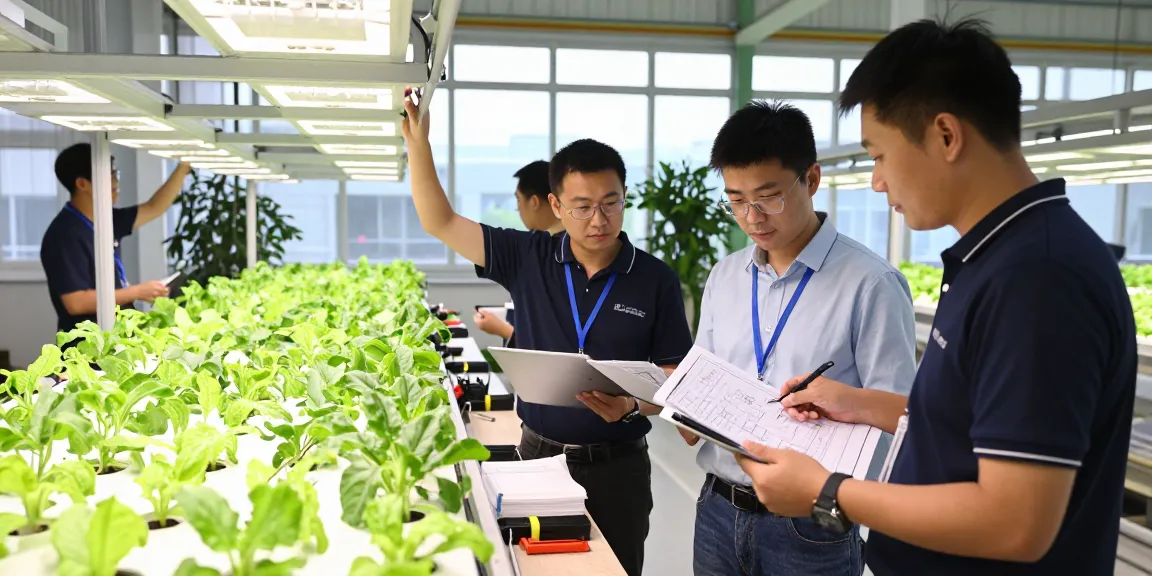
Indoor agriculture refers to the practice of growing crops in controlled environments, such as greenhouses or indoor facilities. This method utilizes advanced technologies like hydroponics, aeroponics, and vertical farming systems to optimize plant growth. By controlling factors such as temperature, humidity, light, and nutrient delivery, indoor agriculture can create ideal conditions for plants throughout their growth cycles, independent of external weather conditions.
Benefits of Indoor Farming Technologies
- Resource Efficiency: Indoor farming uses significantly less water compared to traditional farming, often recycling water through closed-loop systems.
- Space Optimization: Vertical farming allows for multi-layered cultivation, maximizing space usage, especially in urban settings.
- Reduced Transportation Costs: Proximity to urban centers decreases the need for long-distance transportation, resulting in fresher produce and lower carbon footprints.
- Controlled Environment: The ability to control pests and diseases without chemical pesticides leads to healthier crops.
Common Challenges in Indoor Agriculture
Despite its advantages, indoor agriculture faces specific challenges that must be addressed for successful implementation. These include high initial setup costs, the need for technical expertise, and potential energy expenses related to artificial lighting and climate control systems. Addressing these challenges requires innovative solutions, which are integral to the design and construction services provided by CIKA4D & DAG Facilities.
Innovative Design and Construction Techniques for Indoor Farms
Effective design and construction are crucial for maximizing the potential of indoor farms. By utilizing modern architectural techniques, facilities can be optimized for better workflow, plant health, and resource management. CIKA4D plays a pivotal role in delivering state-of-the-art designs tailored specifically to the unique needs of indoor agriculture.
Key Principles of Effective Indoor Farm Layouts
Designing an indoor farm involves thoughtful planning to ensure space is utilized efficiently. Key principles include:
- Accessibility: Layouts should be designed to allow easy access to plants for maintenance and harvest.
- Segmentation: Dividing the space into distinct growing zones can facilitate different crop requirements and growth cycles.
- Integration of Systems: Incorporating irrigation, lighting, and climate control systems into the design can streamline operations.
Integrating Technology in Indoor Agriculture
Technological advancements have revolutionized indoor agriculture. From automated irrigation systems to climate sensors, technology plays a critical role in monitoring and optimizing crop conditions. Furthermore, software applications like the CIKA4D app streamline the design process, enabling farmers to utilize data-driven decisions to improve productivity.
Case Studies of Successful Indoor Farm Projects
Examining real-world examples of successful indoor farms provides valuable insights into effective design and operational strategies. For instance, one project in a major urban center implemented vertical farming techniques that doubled crop yield while reducing water usage by 70%. Another facility utilized the CIKA4D application to design a modular growing system that can be scaled up or down based on demand.
The Role of CIKA4D in Enhancing Indoor Agriculture
CIKA4D has established itself as a leader in providing comprehensive design and construction services tailored for indoor agriculture. Their expertise ensures that facilities are not only functional but also aligned with the latest advancements in agricultural technologies.
Overview of the CIKA4D Application
The CIKA4D application is a cutting-edge tool designed to assist indoor agriculture stakeholders throughout the planning and execution of their projects. It offers functionalities such as 3D modeling, resource allocation, and real-time environmental monitoring, significantly enhancing project efficiency.
How CIKA4D Streamlines the Design Process
By employing the CIKA4D application, users can visualize their projects with interactive designs, making it easier to communicate ideas and modifications. This streamlining of the design process not only speeds up project completion but also allows for adjustments that can lead to cost savings and improved outcomes.
User Experiences: Success Stories with CIKA4D
Many users have reported significant improvements in their indoor farming operations after utilizing CIKA4D’s services. For example, a clientele in South Asia experienced a 40% increase in crop yield while reducing operational costs by implementing the designs provided by CIKA4D. Feedback such as this underscores the effectiveness of integrating innovative technologies in indoor agriculture.
Energy Efficiency and Sustainability Practices
In an era where sustainability is paramount, indoor agriculture must prioritize energy efficiency. CIKA4D emphasizes the importance of employing best practices that mitigate environmental impact while maximizing productivity.
Best Practices for Energy Management
Implementing energy-efficient practices in indoor farming can yield significant savings. Key practices include using LED grow lights, harnessing renewable energy sources, and installing efficient HVAC systems that reduce overall energy consumption.
Sustainable Material Choices for Indoor Farms
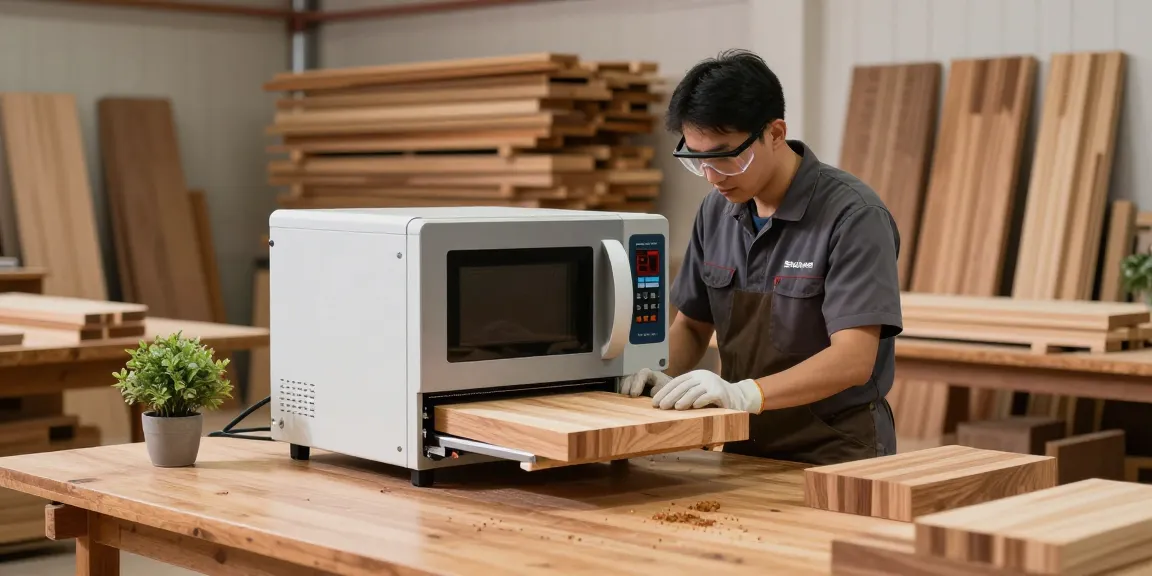
Choosing sustainable materials for construction is crucial in reducing the carbon footprint of indoor agricultural facilities. Materials like recycled steel, sustainable wood, and eco-friendly insulation can contribute to more sustainable building practices.
Measuring Sustainability Outcomes in Indoor Agriculture
To ensure that sustainability goals are being met, it’s essential to establish metrics for measuring outcomes. This might include tracking water usage, energy consumption, and waste production. CIKA4D assists clients in developing these measurements, ensuring that their farms are not just productive but also environmentally responsible.
The Future of Indoor Agriculture: Trends to Watch in 2026
The future of indoor agriculture looks promising, with several trends expected to shape its landscape over the next few years. As technology continues to evolve, so will the methodologies employed in this critical sector.
Emerging Technologies Impacting Indoor Farming
New technologies such as artificial intelligence, machine learning, and advanced hydroponics systems are set to revolutionize indoor farming. AI can help predict crop yields, optimize nutrient delivery, and streamline the supply chain, making indoor farms even more productive.
Predictions for Market Growth and Development
As consumer demand for locally grown produce increases, the indoor agriculture market is poised for significant growth. Industry analysts predict that the market will expand substantially by 2026, fueled by innovations and greater investment in sustainable practices.
Preparing for Future Challenges in Indoor Agriculture
As the industry evolves, so too will challenges, including regulatory changes, resource management, and climate considerations. Preparing for these eventualities through adaptive strategies and sustainable practices will be essential for the long-term success of indoor agriculture.
What are the benefits of using indoor agriculture?
Indoor agriculture provides numerous benefits, including higher crop yields, reduced water consumption, and year-round production capabilities. It allows farmers to mitigate risks associated with weather and pests, leading to more stable and profitable operations.
How does the CIKA4D link application work?
The CIKA4D app offers an integrated platform for designing, planning, and managing indoor agriculture projects efficiently. By utilizing data analytics and visualization tools, it enhances decision-making throughout the farming process.
What challenges can be mitigated by indoor farming?
Indoor farming can address various challenges such as climate variability, pest infestations, and resource scarcity. By creating controlled environments, these challenges can be significantly diminished, allowing for consistent and productive farming practices.
What are the key components of an efficient indoor farm?
An efficient indoor farm typically includes elements such as advanced lighting systems, climate control, automated irrigation, and a well-structured layout that facilitates easy access and workflow. Each component plays a crucial role in maximizing yield and ensuring sustainability.
How can I access CIKA4D support?
Support for the CIKA4D application and services is readily available through their official website. Users can find resources, FAQs, and contact information for assistance tailored to their specific needs.