
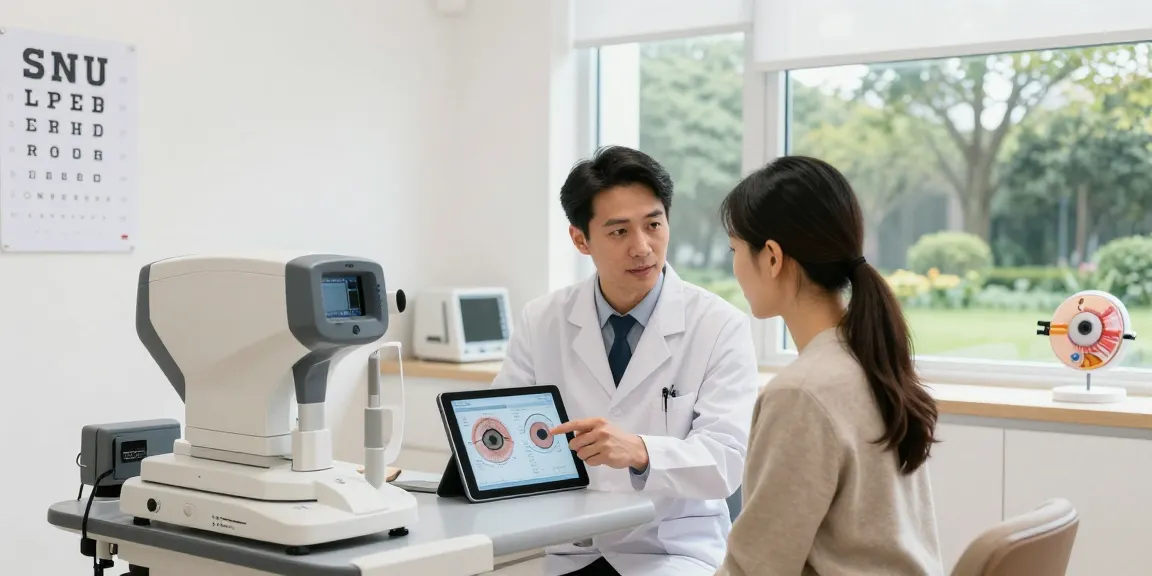
Understanding Хараазасахмэсзасал in Eye Surgery
In an ever-evolving field, Хараазасахмэсзасал, or personalized vision correction, represents a significant leap in eye surgery methodologies. This advanced approach tailors surgical interventions specifically to the unique needs of each patient, ensuring optimal outcomes and a higher quality of life. At SNU Eye Clinic, this philosophy is at the forefront of our practice, offering comprehensive solutions for a myriad of eye conditions. When exploring options, Хараазасахмэсзасал provides comprehensive insights into the latest techniques and patient-focused treatment plans.
What is Хараазасахмэсзасал?
Хараазасахмэсзасал refers to a personalized approach in ophthalmic procedures, emphasizing individual patient needs based on specific eye conditions and visual acuity requirements. Unlike traditional methods that apply a one-size-fits-all solution, this innovative practice incorporates detailed assessments and modern technologies to tailor treatments effectively. By focusing on unique patient profiles, surgeons can enhance precision and improve recovery times while minimizing potential complications.
The Importance of Personalized Vision Correction
Personalized vision correction is crucial for several reasons:
- Individual Variability: Each patient’s eye morphology is distinct, necessitating tailored interventions.
- Enhanced Outcomes: By customizing the procedure, patients often experience better visual results and satisfaction.
- Minimized Risks: Personalized strategies reduce the likelihood of post-operative complications.
By understanding these principles, patients can make informed decisions about their eye health.
Common Eye Conditions Treated by Advanced Procedures
Advanced procedures in Хараазасахмэсзасал address a variety of eye conditions, including:
- Myopia (Nearsightedness): Effective solutions to correct vision problems associated with near and distant sight.
- Hyperopia (Farsightedness): Techniques tailored to address issues related to seeing far objects clearly.
- Astigmatism: Specialized methods that rectify distorted vision caused by irregularities in the cornea.
- Presbyopia: Advanced approaches to treat age-related vision decline, improving near vision clarity.
These conditions can significantly impact daily life, making effective treatment essential for overall well-being.
Key Procedures at SNU Eye Clinic
Overview of ICL and Toric ICL Techniques
At SNU Eye Clinic, we utilize state-of-the-art techniques such as Implantable Collamer Lenses (ICL) and Toric ICL for patients with specific refractive errors. These procedures are gaining popularity due to their minimally invasive nature and rapid recovery times. ICL is particularly beneficial for those who are not suitable candidates for LASIK or PRK surgeries, providing excellent visual outcomes.
Patient Success Stories and Case Studies
Real-life patient success stories highlight the effectiveness of our procedures. For instance, a recent case involved a 30-year-old patient suffering from severe myopia. After undergoing ICL surgery, the patient reported a dramatic improvement in vision, enjoying activities that were once challenging. Such case studies illustrate our commitment to excellence and personalized care.
Comparative Analysis with Traditional Eye Surgeries
When comparing Хараазасахмэсзасал techniques with traditional eye surgeries, several key advantages emerge:
- Recovery Time: Patients typically experience quicker recovery periods with personalized methods.
- Precision: Advanced technologies enhance the accuracy of vision correction.
- Long-Lasting Results: Personalized procedures often yield sustainable vision improvement.
This comparative analysis underscores the benefits of modern surgical approaches in achieving superior patient outcomes.
Why Choose SNU Eye Clinic for Your Eye Care?
Expertise of Our Medical Team
Our medical team consists of highly trained ophthalmologists specializing in various areas of eye care. With decades of combined experience, our experts employ the latest surgical techniques and possess deep knowledge of eye health trends, ensuring that you receive the best care available.
State-of-the-Art Technology and Facilities
The SNU Eye Clinic is equipped with the latest advancements in ophthalmic technology. Our facilities are designed to provide a comfortable and efficient environment for diagnosis and treatment. The integration of cutting-edge technology enables our surgeons to perform intricate procedures with unmatched precision.
Comprehensive Eye Care Programs with 52 Detailed Tests
Patients at SNU Eye Clinic benefit from a comprehensive approach that includes 52 detailed tests across seven categories. This extensive testing allows us to create personalized treatment plans that address each patient’s specific needs, facilitating optimal surgical outcomes and ongoing care.
Future Trends in Eye Care and Surgery
Emerging Technologies in Eye Health
The field of eye care is rapidly evolving, with emerging technologies promising to transform surgical practices. Innovations such as artificial intelligence in diagnostics, robotics in surgery, and advanced imaging techniques are shaping the future of personalized vision correction, enhancing both safety and effectiveness.
Predictions for Vision Correction Procedures in 2026
By 2026, we can expect significant advancements in vision correction procedures, including:
- Increased Use of AI: AI will play a critical role in assessing eye conditions and personalizing treatment plans.
- More Non-Invasive Options: Developments in non-invasive techniques will become more prevalent, offering patients alternative solutions.
These anticipated trends reflect a commitment to improving patient care and outcomes in the realm of eye health.
Impact of Telemedicine on Eye Care Accessibility
Telemedicine has revolutionized accessibility to eye care, allowing patients to consult with specialists remotely. This trend enhances patient engagement and simplifies access to expert advice, ultimately leading to earlier diagnosis and treatment of eye conditions.
Frequently Asked Questions about Хараазасахмэсзасал
What should I expect during a consultation?
During your initial consultation, our team will conduct a series of detailed tests to evaluate your eye health, discuss your vision goals, and determine the most suitable treatment options.
How do I know if I am a candidate for ICL?
Candidacy for ICL involves several factors, including your overall eye health, refractive error, and personal preferences. A thorough assessment by our specialists will provide clarity on whether ICL is the right choice for you.
What are the risks associated with eye surgeries?
As with any surgical procedure, there are potential risks involved, including infection, vision changes, and complications related to anesthesia. However, our team prioritizes safety and works tirelessly to minimize these risks.
How can I prepare for my surgery?
Preparation for surgery may involve specific guidelines, such as avoiding certain medications, fasting, and arranging for post-operative care. Our team will provide you with comprehensive instructions tailored to your procedure.
What post-operative care is required?
Post-operative care is essential for effective recovery. This may include follow-up visits, medication to manage discomfort, and guidance on activity restrictions to ensure optimal healing.

